By Bridget Sheehan
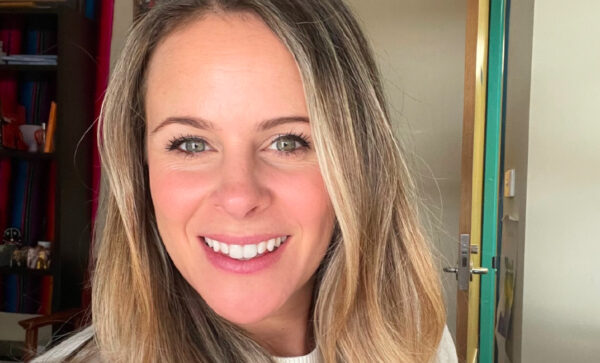
Working with young people, largely in Melbourne’s West, for the past 12 years, Alison Baker has seen it firsthand.
The Associate Professor delivers Youth Participatory Action Research programs, co-facilitated with young people, using creative arts to express their experiences, make sense of the worlds they inherit, and imagine how things can be different.
“Hope and possibility come when young people feel involved, seen and heard in their communities,” says Baker.
Based at Victoria University’s Footscray Park Campus, on the lands of the Wurundjeri people of the Kulin Nation, Baker travels to youth spaces in the community to deliver programs.
Each program is different, and each group and individual chooses their creative mediums (including spoken word poetry, photography, collage, digital audio sound stories, documentaries, illustration) but the programs follow a similar structure, exploring through the arts the following questions: What are the root causes of oppression in my life? How can things be different? What’s our future story? What will we do to get there?
In 2022, while working with young people, Baker saw recurrent themes of fatigue and frustration, from the pandemic and concurrent crises, to the overwhelming challenges of creating change through participation in organisations and institutions. “Young people were looking for places to connect, build community, be vulnerable and make sense of the complex world around them.”
Baker says this is particularly important for young people from marginalised backgrounds experiencing daily, pervasive experiences of financial and housing insecurity, structural racism, discrimination and exclusion.
“These voices can be exploited, silenced or ignored.”
Through the program, Baker says there are “real shifts in having a safe and supportive space to work through their experiences of cumulative trauma, and what hope and joy looked like as part of that. The group created an exhibition and the process, and their work was documented through Instagram and a Zine.”
In 2007, Professor Stephen Hobfall and international experts introduced five principles for psychological care for people confronted with disaster, tragedy and loss: a sense of safety, calming, a sense of self and community efficacy, connectedness, and hope.
Associate Professor Baker believes that most of these elements are missing in the day-to-day lives of many young people in Melbourne’s West.
“Racism, insecure housing, economic precarity, and the looming nature of climate change jeopardise safety. The impact of multiple crises, and ‘hustle culture’ make calming challenging. And with fewer places where young people can ‘be’ and belong – connectedness is impacted.”
“With these elements gone, or slipping, the opportunities for hope, a sense of self and community efficacy are harder to achieve.”
“For young people, the impact of this can be chronic stress, disengagement from work, or school refusal and a sense that nothing changes,” Baker explains.
She says investment is needed in non-clinical psychological care for young people: youth-designed stable spaces; paid youth leadership and participation roles; creative and culturally safe programs; transport and food support.
Baker believes that a shift in mindset is also key. She recommends that adult decision-makers and institutions prioritise young peoples’ participation, agency, culture and care in all aspects of program design and delivery.
Are you a young person looking to connect with others and express your creativity?
Associate Professor Baker’s tips:
- Start small, weekly: 30 minutes for a zine page, a phone sound-walk, collage-making with friends. Create a 4-week story circle: three friends, one prompt each week, share and reflect.
- Explore low-cost local options: libraries in the area have fantastic spaces and resources to get started (like Brimbank library), youth hubs and Footscray Community Arts regularly host drop-ins, drawing and studio sessions.
- Reach out for support: We have many students in Community Programs at VU who do placements each year, we could work with you to see if we can support a community youth program: alison.baker@vu.edu.au.