By Owen Virtue
Members of four major communities in Melbourne’s West experience extra barriers to getting legal assistance when they experience discrimination or sexual harassment at work, a new study has shown.
Commissioned by Westjustice and conducted by Monash University, with support from the Victoria Law Foundation, the study focussed on people from Vietnamese, Indian, Afghan and South Sudanese communities.
Westjustice commissioned the report when staff noticed these communities were almost absent in the first year of their Equality Law Service, despite being well represented in other areas of legal support.
The study found that while people from these cultural groups know that workplace discrimination and sexual harassment are unlawful, they don’t have access to information on how to make a complaint, know the processes involved in making a complaint or the services available to help them. Those surveyed prefer to seek informal, often unreliable support, such as online searches or social media forums.
Other studies have illustrated that experiences of discrimination and sexual harassment remain widespread in Australian workplaces. For example, the Diversity Council of Australia found in 2023 that 30 percent of workers had experienced discrimination or harassment in the previous 12 months. A national survey conducted by the Australian Human Rights Commission in 2022 found that one in three Australians had been sexually harassed at work in the previous five years.
People from culturally and linguistically diverse communities are also underrepresented in studies that investigate the prevalence of workplace discrimination or sexual harassment, despite Melbourne’s West being home to the most multicultural suburbs in Australia.
“Workplace discrimination and sexual harassment remains troublingly prevalent,” says Dr Orifice from the Monash Business School. “This research produces deeper insights into the needs of marginalised and vulnerable communities when they face these types of problems at work and want to seek help to resolve them.”
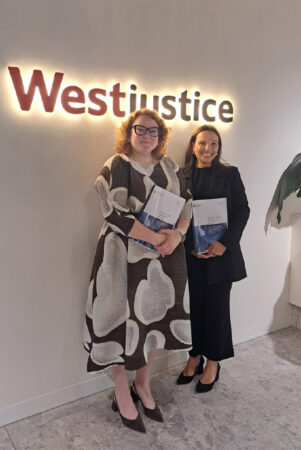
Jennifer Jones, the Legal Director of the Workers’, Economic and Housing Rights Programs at WEstjustice, says the findings reinforce that legal service delivery is “not a one size fits all approach” and needs to be tailored to meet people where they are, and get them the support where and when they need it.
The research, she says, has enabled WEstjustice to better understand the legal needs of the communities it supports.
“Now, we have the information we need to get free legal help to people across Melbourne’s West when they experience workplace discrimination or sexual harassment – often the people who need it most.”
WEstjustice is implementing the recommendations, including further developing online resources and testimonials in language, establishing referrals from local police services and training around cultural needs in their outreach and community engagement.
Owen Virtue is Director of Policy, Impact and Engagement at WEstjustice. WEstjustice is a community organisation that provides free legal, financial and social support to people in Melbourne’s West.