By Aman Gaur
Melbourne’s west has always been a community that embraces change. From our industrial roots to our thriving multicultural neighbourhoods, arts scene and growing clean energy industries, the West has often helped shape the future of our city.
Today, another major transformation is underway — the electrification of our cars and trucks. Just last month NewVolt announced that construction is set to begin on Australia’s first truck charging facility in Laverton North.
Electric vehicles are no longer a niche technology reserved for wealthy early adopters. They are becoming an increasingly common sight on our roads across the West, from compact family cars to delivery vans and freight vehicles.
Across Australia, EV sales have surged over the past year as more affordable models enter the market, petrol prices fluctuate north of $2/litre, and government incentives such as the Fringe Benefits Tax exemption make electric cars more accessible for working Australians.
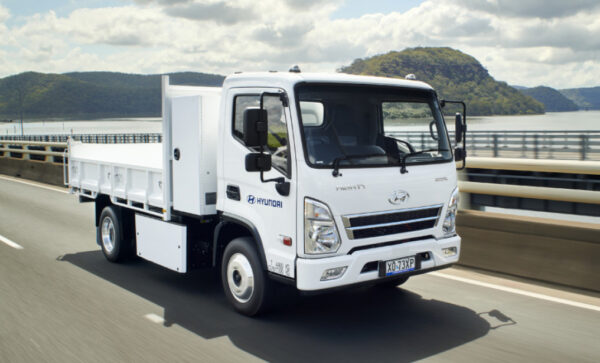
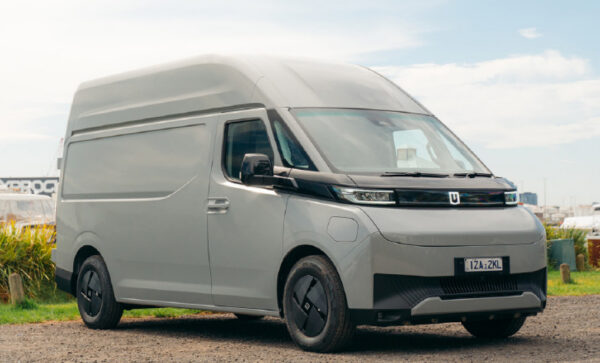
Last month, over a quarter of vehicle sales in Australia were electric and there are now 10 EV models available under $40,000 with more to come. For many households, the financial case is becoming impossible to ignore. Charging an EV costs substantially less than filling a petrol or diesel tank, especially for families driving regularly across Melbourne.
An average Aussie driver can save $3,000 per year driving an electric car compared to a petrol car because electricity is four times cheaper than petrol!
Electric vehicles also have fewer moving parts, reducing servicing and maintenance costs over time. At a moment when many people are grappling with cost-of-living pressures, lower transport costs can make a real difference to household budgets.
But electrification is not only about saving money — it is also about improving the quality of life in communities like ours.
Melbourne’s west experiences some of the city’s busiest traffic and freight movements.
Residents living near major roads know the constant background noise of engines, trucks and congestion. Electrified transport offers a quieter alternative. EVs dramatically reduce noise pollution, particularly at lower speeds, helping create calmer and more pleasant neighbourhoods.
The public health benefits are just as important. Petrol and diesel vehicles contribute to air pollution that can worsen respiratory illness, heart disease and other health conditions.
The University of Melbourne has estimated that petrol and diesel vehicles contribute to 11,000 premature deaths nationally due to their vehicle emissions.
Electrifying cars, buses and freight vehicles means cleaner air for our streets, schools and parks. For growing communities in the West, that is an investment in healthier suburbs and healthier families.
The benefits extend well beyond our local neighbourhoods. Australia imports over 90% of its refined fuel, making us vulnerable to global oil price spikes and international conflicts.
Recent months have shown how quickly overseas disruptions can push up prices at the bowser and place pressure on household budgets and the broader economy.
Electric transport helps strengthen Australia’s energy security. Every electric car powered by
Australian electricity — increasingly generated from renewable sources like wind and solar — reduces our dependence on imported oil. Instead of sending billions of dollars overseas to fuel exporters, more of that money can stay in Australia, supporting local jobs, infrastructure and energy investment.
Freight electrification will also play an increasingly important role. As battery technology improves, more delivery vehicles and trucks will transition to electric power, helping reduce emissions and noise in densely populated urban areas like the inner west while lowering operating costs for businesses.
The shift to electrified transport is already happening. More Australians are recognising that cleaner, quieter and cheaper transport is not some distant vision — it is available now!
If we want to help our hip pocket, improve our community’s health and strengthen our country, it’s time to get fully charged about electrification.
Aman Gaur is the Head of Policy at the Electric Vehicle Council, Australia’s peak body or electric vehicles and a proud Footscray resident.