By Marty McGauran
Steal a Brainrot. Grow a Garden. Brookhaven. Dress to Impress.
If you are a parent and that reads like complete nonsense, you are not alone.
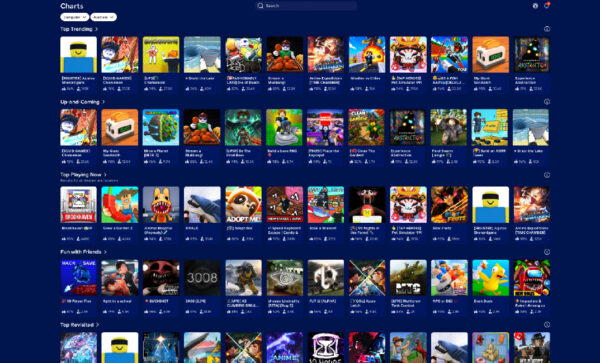
For many primary school-aged children, these are not nonsense words. They are some of the most popular games inside Roblox, one of the biggest online platforms in the world.
In a recent survey of more than 5,000 primary school students, including many children from Melbourne’s inner west, Roblox was overwhelmingly the most played game, well ahead of Minecraft. This is not all that surprising considering it recently surpassed 150 million daily active users.
Importantly, Roblox is not just ‘a game’. It is a platform that contains millions of user-generated games. While many are fun and age-appropriate, others include horror themes, violence, mature content or opportunities to interact with strangers.
Roblox also has its own virtual currency, Robux, which costs real money. Many games encourage children to spend Robux on mystery boxes, lucky-dip style rewards or random items. Australian researchers have questioned whether these mechanics are conditioning children to gambling-like behaviours. While they don’t legally meet the definition of gambling because Robux can’t be cashed out, they still encourage repeated spending in the hope of getting a rare reward. We’ve worked with schools where children have secretly spent hundreds of dollars and, in one case, more than $2,000 on Robux without their parents realising.
One of the most important recent changes is Roblox’s move to age-based account types. Roblox Kids is for users aged 5 to 8. Roblox Select is for users aged 9 to 15. Standard Roblox is for users 16 and over. These settings are linked to the date of birth on the account, which is why it matters that your child’s DOB is accurate.
In simple terms, these new account types are designed to ensure children, tweens and teens only access age appropriate content. Whilst that sounds reassuring, here’s the problem: the rating system still needs a healthy dose of adult judgement. We recently discovered Roblox Kids games that include horror themes, killers, stalking, weapons or titles that would make most parents of a five-year-old uncomfortable. That is why I do not think parents should simply see ‘Roblox Kids’ or ‘mild content’ and assume everything is fine.
Whilst acknowledging Roblox has a number of ongoing child safety concerns, there are millions of children who have positive experiences playing with friends, expressing their creativity and exploring games they genuinely enjoy.
So what can parents do?
Start by sitting with your child and asking them to show you what they play. Not in an interrogation way. Be curious. Which games do they love? Who do they play with? Can they chat? Are they being asked to spend Robux? Do they know what to do if something feels weird, mean or unsafe?
Then check the settings together. Create your own parent account. Link your child’s account. Confirm their correct date of birth. Manage or disable chat. Set content restrictions. Review their most-played games. Keep gaming in shared spaces, not bedrooms behind closed doors.
Roblox is not going away. For many kids, it is their digital playground. Our job is not to dismiss that world, but to understand it well enough to guide them through it.
Marty McGauran is the founder of Inform & Empower, a Footscray based organisation that partners with primary schools around Australia to deliver innovative cyber safety and digital wellbeing education.