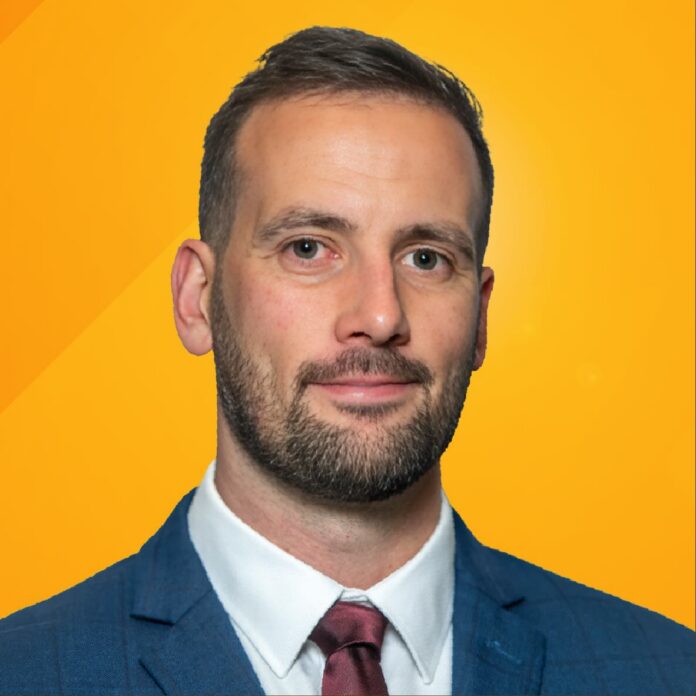
John Cowell

Party:

I am an experienced construction industry professional, family man, and long-term resident of Melbourne’s western suburbs.

Originally from Western Victoria, I have lived in the St Albans electorate with my young family since 2023.

I am standing as the One Nation candidate for St Albans because I believe local families deserve to live in safe, affordable and thriving communities.

I am committed to addressing the issues that matter most to residents, including community safety, cost-of-living pressures, infrastructure investment and improving overall quality of life.

Through my work, daily commute and involvement in community sport, I see firsthand the challenges facing Melbourne’s west. Congested and deteriorating roads, mounting waste and recycling concerns, increasing crime, and growing pressure on local infrastructure are issues regularly raised by residents across the electorate.

For too long, Melbourne’s western suburbs have not received the investment and attention they deserve. It’s time the west received its fair share. The west should not continue to be treated as Victoria’s dumping ground for industrial waste, landfill sites and unchecked industrial expansion.

We need a stronger focus on community safety, better roads and hospitals, improved public transport, and meaningful action to ease the cost of living.

I am a strong advocate for the permanent closure and remediation of the Kealba Landfill, the duplication of Taylors Road, and the delivery of the Melbourne Airport Rail Link as important investments in the future of Melbourne’s west.

I am proud of Australia’s values and believes that people from all backgrounds can contribute to a strong and successful community through hard work, mutual respect and a shared commitment to Australia’s way of life.

Question 1: Are you aligned with any political parties (for independents) and to where are your preferences going?

I am standing as the endorsed One Nation candidate for St Albans, not as an independent candidate.

As such, I will be representing the policies and values of One Nation Victoria. Preference recommendations will be determined by the party and communicated through our official how-to-vote material once that process has been finalised.

Question 2: What is your position on data centres in the western suburbs? Do you think there should be a moratorium? Should they be independently powered by wind, solar, coal, or nuclear?

Data centres play an important role in supporting Victoria’s digital economy, but their development must be balanced with the interests of local communities and the long-term reliability of our energy and water infrastructure.

Victoria is experiencing a rapid increase in proposals for large data centres and battery storage facilities, many of which place significant demands on power and water resources. Communities deserve a genuine opportunity to have their concerns heard before major developments are approved.

I support rigorous planning assessments, meaningful community consultation, and transparent evaluation of impacts on local residents, infrastructure, traffic, water usage and neighbourhood amenity.

I will:

  • Ensure data centres require genuine community consultation before approving major developments near residential areas.
  • Implement appropriate siting requirements and buffer zones to protect residential amenity and safety.
  • Ensure large battery facilities meet strict safety and emergency management standards.
  • Prioritise recycled or non-potable water sources for cooling wherever feasible to protect drinking water supplies.

Melbourne’s western suburbs should not be expected to carry a disproportionate share of industrial development without appropriate safeguards and clear community benefits. Economic growth and environmental responsibility must go hand in hand.

Data centres should also contribute to meeting the additional energy demand they create. I support a reliable and affordable energy mix that includes renewables, gas, coal and, in the longer term, nuclear energy, ensuring that future developments do not place additional costs on Victorian households and businesses.

Question 3: How will you improve public transport options in the west?

Improving public transport across Melbourne’s western suburbs is essential to supporting our growing communities, reducing congestion, and improving access to jobs, education and essential services.

I support practical infrastructure investments that deliver real benefits for local residents, including the electrification of the Melton line and completion of the Melbourne Airport Rail Link. These projects will strengthen connectivity and improve access to public transport across the west.

For communities such as St Albans, priorities include reliable and frequent train services, better bus connections to key stations, and improved access to employment hubs. The duplication of Taylors Road would also help reduce congestion and improve access to public transport, including Keilor Plains Station.

As Melbourne’s west continues to grow, transport infrastructure must keep pace with population growth. Well-planned investment in public transport and supporting road networks will help create more connected communities, reduce travel times, and improve quality of life for local residents.

Question 4: What will you do to reduce air pollution in the western suburbs?

I recognise that residents across Melbourne’s western suburbs have genuine concerns about air quality, particularly in communities affected by industrial activity, freight transport and ongoing population growth.

Protecting community health and maintaining strong environmental standards must remain a priority. Industrial operators must be held accountable for their emissions and required to meet appropriate environmental and public health standards.

I am committed to ensuring that the Kealba Landfill remains permanently closed and that the site is properly remediated to safeguard the health, wellbeing and amenity of surrounding communities.

Sustainable economic growth and job creation are important, but they should never come at the expense of community health or environmental outcomes.

Future development must strike an appropriate balance between economic prosperity, environmental responsibility and the long-term interests of local residents.

Question 5: How do you propose to deal with homelessness and housing affordability in the West?

Housing affordability and homelessness remain significant challenges across Melbourne’s western suburbs.

Rising housing costs, rental stress and limited housing availability have placed increasing pressure on many individuals and families.

Addressing these issues requires a balanced and practical approach. I support reducing unnecessary planning delays and regulatory burdens that contribute to higher housing costs, while encouraging the timely delivery of new housing and infrastructure.

Expanding housing supply must be matched by investment in roads, public transport, schools, healthcare and other essential services. Tackling homelessness requires more than housing alone.

We need greater access to crisis, transitional and temporary accommodation, alongside targeted support for those facing mental health challenges, family violence, addiction, unemployment and financial hardship. Early intervention programs are also essential to help prevent homelessness before it occurs.

Residents of Melbourne’s west deserve access to safe, affordable housing and the opportunity to live with dignity and security. Long-term success will depend on balancing housing growth, infrastructure investment, affordability and social support to build stronger and more resilient communities.

Question 6: What is your policy on abortion?

One Nation has stated that it does not intend to make changes to Victoria’s current abortion laws.

The party’s focus has instead been on initiatives designed to support women and families during pregnancy and early parenthood. These include removing out-of-pocket maternity costs within the public hospital system and providing a $2,000 contribution towards private maternity care expenses.

Abortion is a complex and deeply personal issue on which members of the community hold a range of sincerely held views. As a candidate, my responsibility is to accurately represent the Victorian party’s position while engaging in these discussions with respect, sensitivity and understanding.

Any future proposals relating to abortion legislation should be approached thoughtfully and responsibly, with careful consideration given to medical evidence, existing legal frameworks, ethical considerations, and the potential impacts on women, families and healthcare providers.

Question 7: What should be done to combat crime?

Combating crime requires a balanced approach that combines strong law enforcement, effective prevention measures and support for victims.

Residents deserve to feel safe in their homes, local shopping centres, on public transport and throughout their communities. I support ensuring police have the resources, staffing and powers necessary to respond effectively to crime and maintain a visible frontline presence.

One Nation Victoria has proposed measures including a 24-hour Bail Court, tougher bail laws for repeat offenders, increased judicial capacity, and faster processing of serious criminal matters. I support reducing unnecessary administrative burdens on police so officers can spend more time policing our streets and less time behind desks. Locally, I would advocate for the reopening of the Keilor Downs Police Station and increased police numbers across Melbourne’s western suburbs.

Key priorities include:

  • More police on the streets and stronger support for frontline officers.
  • Maintaining high recruitment and training standards.
  • Reducing administrative red tape that takes police away from operational duties.
  • Tougher bail laws for serious and repeat offenders.
  • Keeping prolific repeat offenders off the streets and improving community safety.

Prevention is equally important. Investing in youth engagement, education, employment pathways, mental health services, and drug and alcohol rehabilitation can help address the underlying causes of crime and reduce reoffending.

Safer communities are built through a combination of prevention, early intervention and effective law enforcement. By supporting police, holding offenders accountable, and addressing the drivers of crime, we can create safer and stronger communities across Melbourne’s western suburbs.

Share

Lower house districts

Parties

Subscribe

Related articles