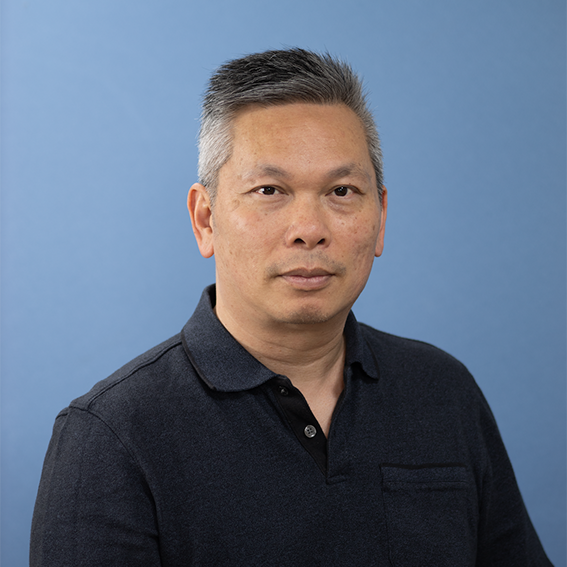
Hai Dinh

Hai Dinh is an independent candidate for Footscray in the 2026 Victorian State Election. He studied computer technology at Victoria University in Footscray and has professional experience in site operations.

Hai is standing as an independent candidate to give local residents another choice and an opportunity for a different voice in Parliament.

His campaign focuses on three priorities: Safety, Opportunity and Community. He believes Footscray and surrounding suburbs need practical solutions to local challenges, including community safety, infrastructure, public transport, housing affordability and opportunities for local businesses.

As an independent, Hai is not bound by a political party. He believes policies should be assessed on their merits and that elected representatives should work constructively with governments to achieve outcomes for their communities.

Question 1: Are you aligned with any political parties (for independents) and to where are your preferences going?

I am running as a genuine independent candidate. I am not aligned with Labor, the Liberal Party, the Greens or any other political party. I believe voters deserve an independent voice that puts local community interests first rather than following party instructions. I am asking Footscray voters to give me their first preference.

I have no formal preference arrangements with other candidates or parties, and I believe voters should make their own decisions about the remaining preferences. My approach is to assess policies and proposals on their merits, work constructively with whoever forms government and advocate for the best outcomes for Footscray.

Question 2: What is your position on data centres in the western suburbs? Do you think there should be a moratorium? Should they be independently powered by wind, solar, coal, or nuclear?

I am not opposed to data centres in principle. They can contribute to economic development, investment and employment. However, their development must provide meaningful benefits without placing unreasonable costs or impacts on surrounding communities.

I do not believe data centres should automatically be located in Melbourne’s west simply because suitable land is available. Their location should be carefully considered, particularly where residents could be affected.

Before approving major developments, there should be independent assessments of electricity and water consumption, noise, traffic, environmental impacts and potential effects on local communities. If the impacts cannot be properly assessed or managed, approvals should be paused until there is sufficient information and appropriate safeguards.

Regarding energy, I believe data centres need reliable and environmentally responsible electricity. Renewable energy and storage should be considered as part of the solution, alongside an honest assessment of energy reliability and costs. No single energy source should be selected without considering its practical implications.

Question 3: How will you improve public transport options in the west?

Public transport should be reliable, frequent, affordable, accessible and properly connected. In Melbourne’s west, improving bus services is particularly important. Many residents rely on buses to connect residential areas with train stations, employment centres, schools, hospitals and essential services.

I would advocate for:

  • More frequent and reliable bus services, particularly during peak periods.
  • Better connections between buses and trains.
  • Improved services in areas where residents have limited access to public transport.
  • Safer, accessible and better-maintained bus stops and transport facilities.
  • Public transport planning that considers population growth and future demand.

Transport improvements should be based on actual community needs. Residents should be consulted about where services are inadequate and which improvements would make the biggest difference to their daily lives.

Question 4: What will you do to reduce air pollution in the western suburbs?

Clean air is important for public health and quality of life. I believe there should be stronger monitoring of industrial emissions and greater transparency about air quality in communities across Melbourne’s west.

Residents should have access to clear and understandable information about pollution levels and potential health risks. Complaints about pollution should be taken seriously, investigated properly and followed up.

I would advocate for:

  • Stronger monitoring and enforcement of industrial emissions.
  • Greater transparency around pollution data.
  • Better coordination between the Environment Protection Authority, local councils and relevant government agencies.
  • Effective investigation of community complaints.
  • Appropriate action against businesses that breach environmental requirements.

Economic development is important, but it should not come at the expense of residents’ health and environment.

Question 5: How do you propose to deal with homelessness and housing affordability in the West?

Question 6: What is your policy on abortion?

I recognise abortion is a complex and deeply personal issue involving medical, ethical and individual circumstances. My current view is that abortion should be available in circumstances such as very early pregnancy, serious medical or pregnancy complications, risks to the woman’s health, and other exceptional situations.

I have not developed a comprehensive policy on this issue, and I am not proposing changes to Victoria’s existing abortion laws at this stage. Before considering any legislative changes, I would want to listen to medical professionals, affected women and the broader community.

I believe it is important to be honest about where I stand rather than make promises on an issue I have not fully examined.

Question 7: What should be done to combat crime?

Community safety is one of my main campaign priorities. People should feel safe walking through their neighbourhoods, using public transport, visiting local shopping areas and enjoying public spaces. I believe effective policing and crime prevention must work together.

I would advocate for:

  • Adequate police resources and a stronger response to crime.
  • Greater attention to repeat offenders and people who repeatedly put community safety at risk.
  • Better support for crime victims.
  • Addressing underlying issues such as youth disengagement and drug-related problems.
  • Better lighting, maintenance and design of public spaces to improve safety.
  • Stronger coordination between police, government agencies, councils and community organisations.

We need to take crime seriously while also addressing the factors that contribute to offending. My priority is to protect residents, prevent harm and ensure people can feel safe in their own community.

Share

Lower house districts

Parties

Subscribe

Related articles